Club History
In 1919, Woodrow Wilson was President of the United States and Samuel R. McKelvie was Nebraska’s Governor. During that year, Walter L. Anderson became the first President of the Kiwanis Club of Lincoln. The Lincoln Club is listed as the 125th club on the roster of the Kiwanis International early clubs with an organizational date of March 21, 1919.
The 1920 U.S. Census reveals that Lincoln’s population was near 55,000. In early Kiwanis history, one terse line reads, “Lincoln is a better city for Kiwanis being here has not only showed concerns for the city’s needs but through action worked for the betterment of the city”. With the Lincoln population of 300,000 now, and after over one hundred years of service, that goal still stands.
Member selection for all Kiwanis clubs in the early organizational period included a stringent set of rules. Club members had to represent a cross section of the community professions. Only one or two members were allowed as members of a profession. The Kiwanis Club of Lincoln Board no doubt spent an inordinate amount of time making those selections and providing invitations to various professions to accept membership. From the very beginning the club was organized around community service as well as professional ethics.
While the club was very “downtown” oriented, members fully recognized the importance of the agricultural industry in Lancaster County. Within three years after organization, a “farmers meeting” was held and soon became very popular. This led to a focus on youth, with full support through the newly formed Extension Service and the 4-H Program. The club’s service to the Lancaster County 4-H Program has continued for the entire century.
Those original club members were also other “downtown” oriented. They were overly excited about the volunteer service to assist other cities and towns. In the first four years of the Lincoln club organization, members supported Kiwanis Club organization in Kearney, Beatrice, Fremont, and McCook. Trips to those towns were not easy, but train service was excellent.
International Kiwanis adopted the motto, “We Build”, in 1920. The Lincoln club immediately initiated that activity. It all started with a Camp Fire girls camp near Milford. Dr. J. Stanley Welch, dedicated a tract of six acres along the Blue River to initiate the effort. The camp grew to sixty-three acres with numerous buildings before the club sold it to the Easter Seal Society. In those early years, the Lincoln club had a very dedicated membership collecting funds for Memorial Stadium at the University of Nebraska. The original stadium has served its purpose well for the last century.
More recent projects include the special interest in the Lincoln Children's Zoo in 1986 as well as considerable assistance to the Children's Museum as it came into being in 1989. Hundreds of projects and activities have been completed over the past century. With a vote from Kiwanis members representing all clubs in the United States and the rest of the World, the longstanding “We Build” motto was updated in 2005 to “Serving Children of the World”.
Being a Kiwanis member can be rewarding in many ways. The greatest gift you could ever give yourself as a person is the gratification in knowing you are contributing your help, time, and talent to people in and out of our community who are in need. If you are a member of Lincoln Center Kiwanis taking part in project activities, reading to young children, work events providing clothing or filling grocery bags at low-income family schools, or attending a Friday club meeting to learn more about community needs, you always go home smiling.
The 1920 U.S. Census reveals that Lincoln’s population was near 55,000. In early Kiwanis history, one terse line reads, “Lincoln is a better city for Kiwanis being here has not only showed concerns for the city’s needs but through action worked for the betterment of the city”. With the Lincoln population of 300,000 now, and after over one hundred years of service, that goal still stands.
Member selection for all Kiwanis clubs in the early organizational period included a stringent set of rules. Club members had to represent a cross section of the community professions. Only one or two members were allowed as members of a profession. The Kiwanis Club of Lincoln Board no doubt spent an inordinate amount of time making those selections and providing invitations to various professions to accept membership. From the very beginning the club was organized around community service as well as professional ethics.
While the club was very “downtown” oriented, members fully recognized the importance of the agricultural industry in Lancaster County. Within three years after organization, a “farmers meeting” was held and soon became very popular. This led to a focus on youth, with full support through the newly formed Extension Service and the 4-H Program. The club’s service to the Lancaster County 4-H Program has continued for the entire century.
Those original club members were also other “downtown” oriented. They were overly excited about the volunteer service to assist other cities and towns. In the first four years of the Lincoln club organization, members supported Kiwanis Club organization in Kearney, Beatrice, Fremont, and McCook. Trips to those towns were not easy, but train service was excellent.
International Kiwanis adopted the motto, “We Build”, in 1920. The Lincoln club immediately initiated that activity. It all started with a Camp Fire girls camp near Milford. Dr. J. Stanley Welch, dedicated a tract of six acres along the Blue River to initiate the effort. The camp grew to sixty-three acres with numerous buildings before the club sold it to the Easter Seal Society. In those early years, the Lincoln club had a very dedicated membership collecting funds for Memorial Stadium at the University of Nebraska. The original stadium has served its purpose well for the last century.
More recent projects include the special interest in the Lincoln Children's Zoo in 1986 as well as considerable assistance to the Children's Museum as it came into being in 1989. Hundreds of projects and activities have been completed over the past century. With a vote from Kiwanis members representing all clubs in the United States and the rest of the World, the longstanding “We Build” motto was updated in 2005 to “Serving Children of the World”.
Being a Kiwanis member can be rewarding in many ways. The greatest gift you could ever give yourself as a person is the gratification in knowing you are contributing your help, time, and talent to people in and out of our community who are in need. If you are a member of Lincoln Center Kiwanis taking part in project activities, reading to young children, work events providing clothing or filling grocery bags at low-income family schools, or attending a Friday club meeting to learn more about community needs, you always go home smiling.

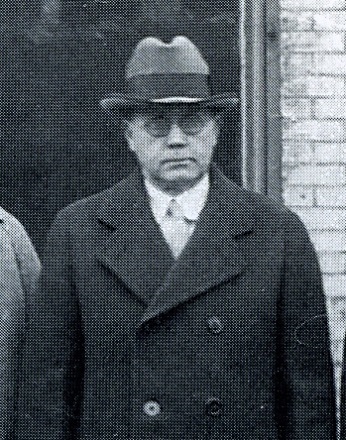
Walter l. anderson
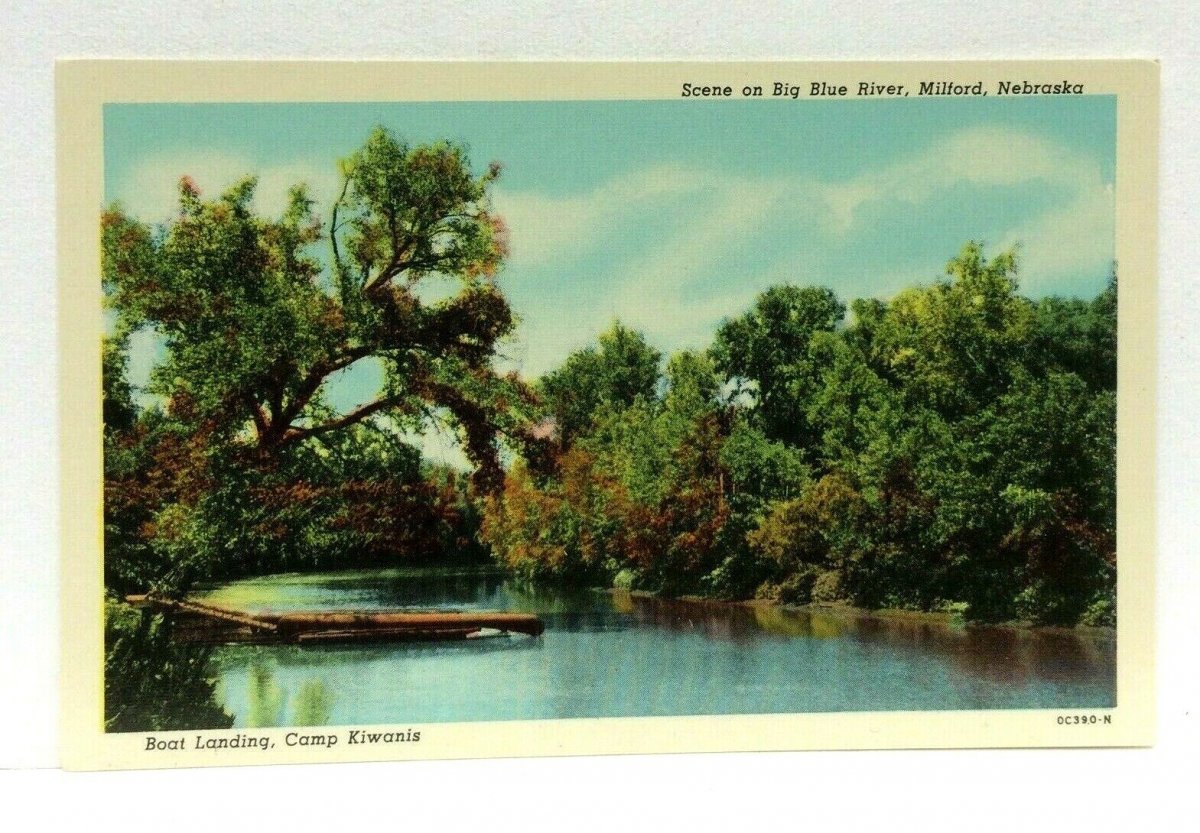
camp kiwanis, milford, ne
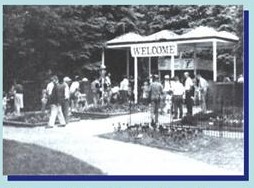
zoo day, 1975